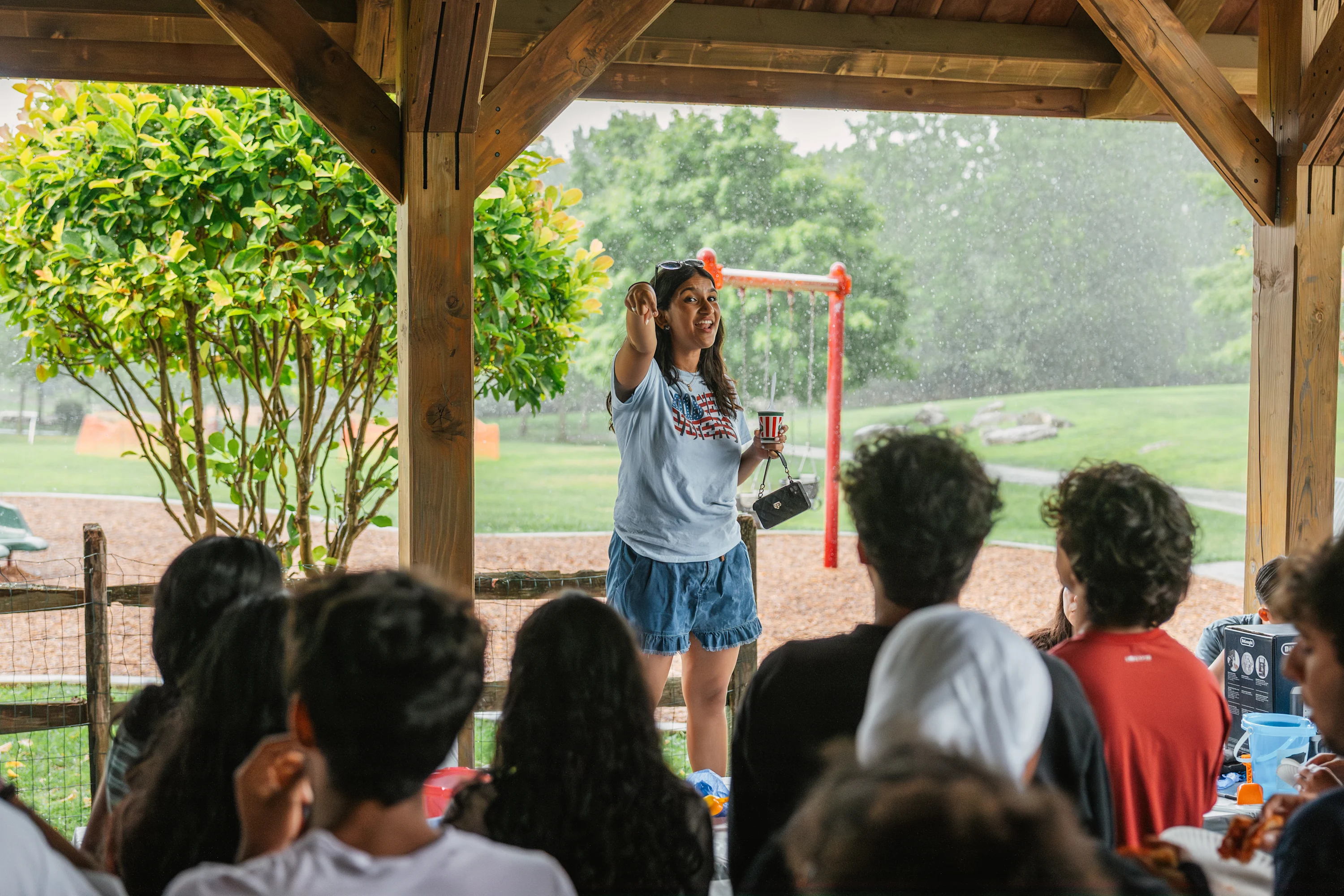
Jahnavi Rao, then a 16-year-old high school junior in Chester County, Penn., returned to school after Election Day 2016 to find her classmates across the ideological spectrum feeling disillusioned with the electoral process.
“The resounding opinion was that this was the most talked-about event of our entire lives, and while the decisions being made impacted us more than anyone else, it felt like we couldn't do anything about it,” Rao reflected.
As Rao and her friends commiserated about feeling a lack of agency, they realized they could make a tangible difference by registering to vote. Although the election cycle had ended, dozens of local races were on the ballot in 2017—and many of her classmates were already eligible to vote or would be by the next Election Day.
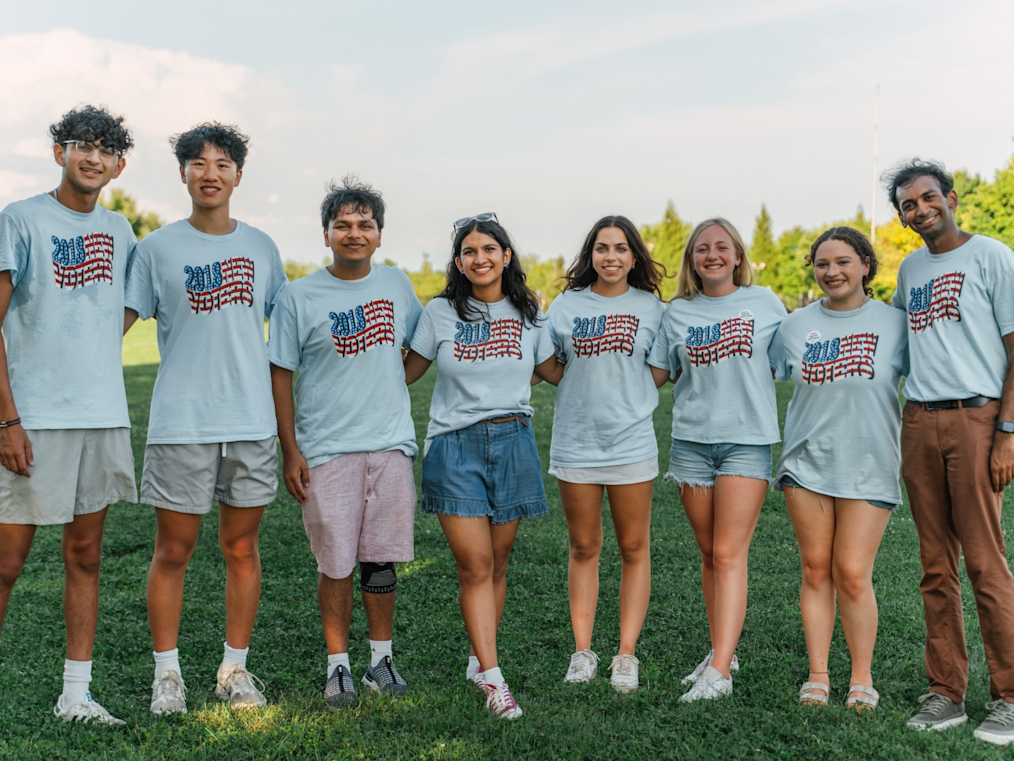
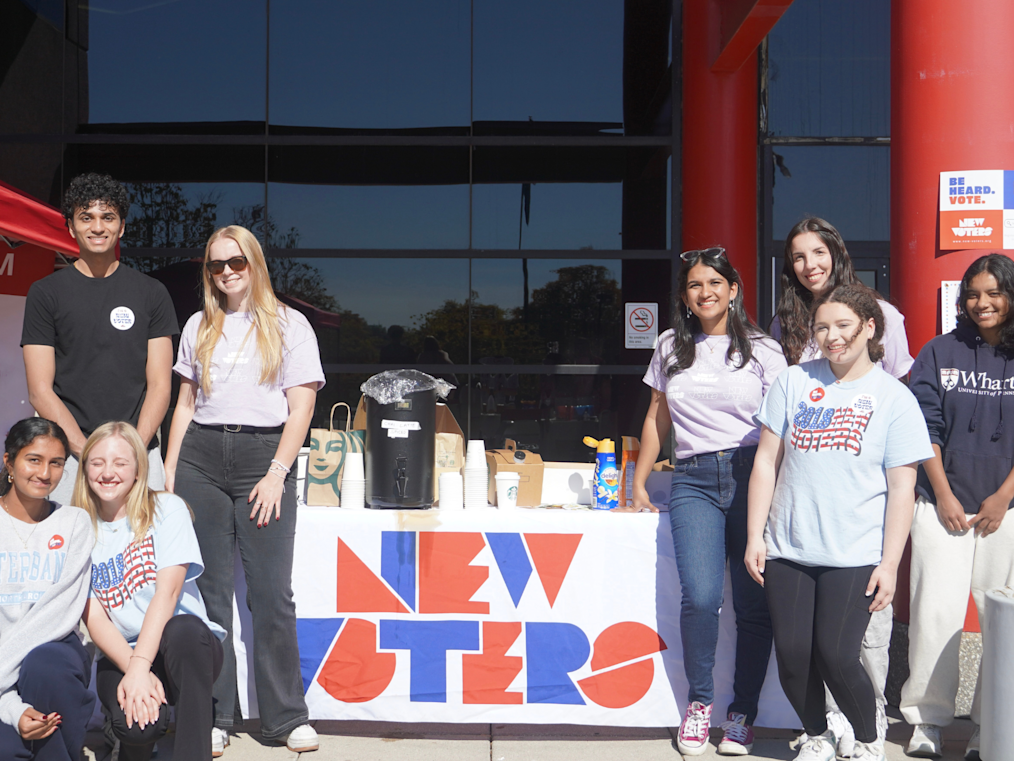
Galvanized by this fact, Rao and her friends launched New Voters, a nonpartisan club dedicated to registering high school students to vote and providing them with registration materials, state-specific voter information, and civics education resources. The club was supported by parents and teachers, but most importantly other young people, who like Rao and her friends, wanted to ensure their voice was a part of the political process.
“Many students were surprised to learn they were eligible,” Rao said, “saying things like, ‘I didn't know I could register yet,’ or ‘I didn't realize there were elections in 2017 I could vote in.’” In Chester County, Penn., there were more than 50 local races (Opens in a new tab) , specifically for judicial and school board seats, that next year.
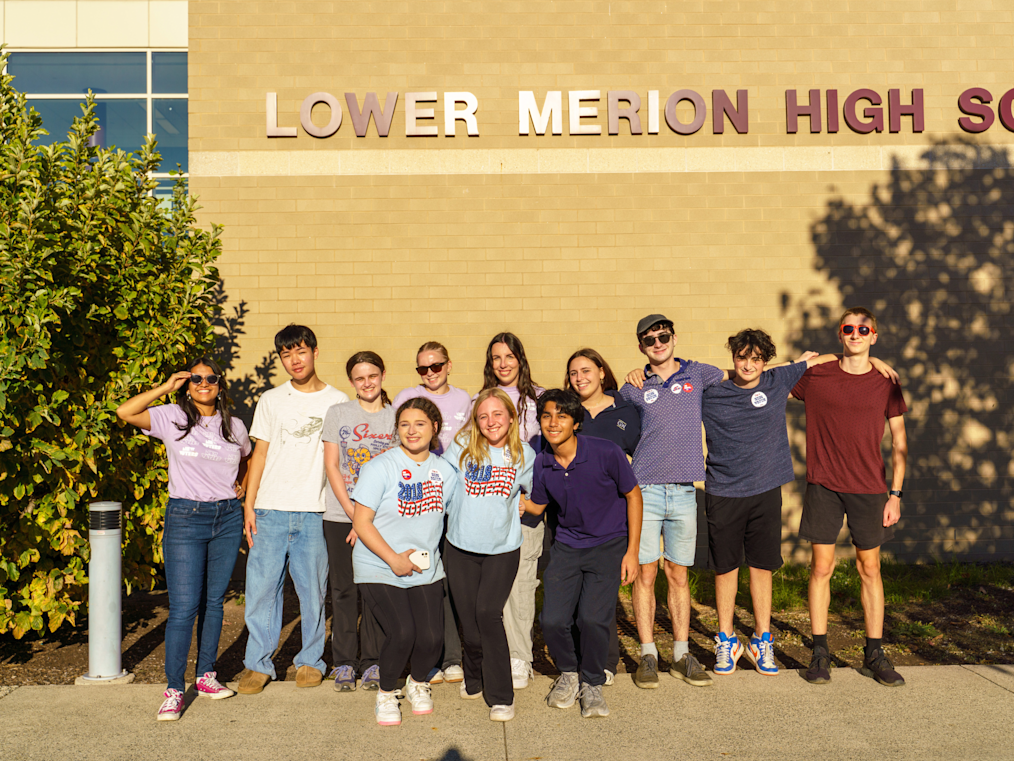
What began with 15 to 20 of Rao’s friends grew into a team of 50 to 60 students, all visiting every homeroom at their high school to conduct informal voter registration drives. By the end of her junior year, Rao and her team had registered 85% of their senior class.
“In my senior year, we spread to around 100 high schools in Pennsylvania and we put in a box the stuff that we did to run our first drive. We're like, okay, here were the scripts we used. Here was the schedule we made. Here's like the texts we used to recruit volunteers,” recalled Rao.
1/5
2/5
3/5
4/5
5/5
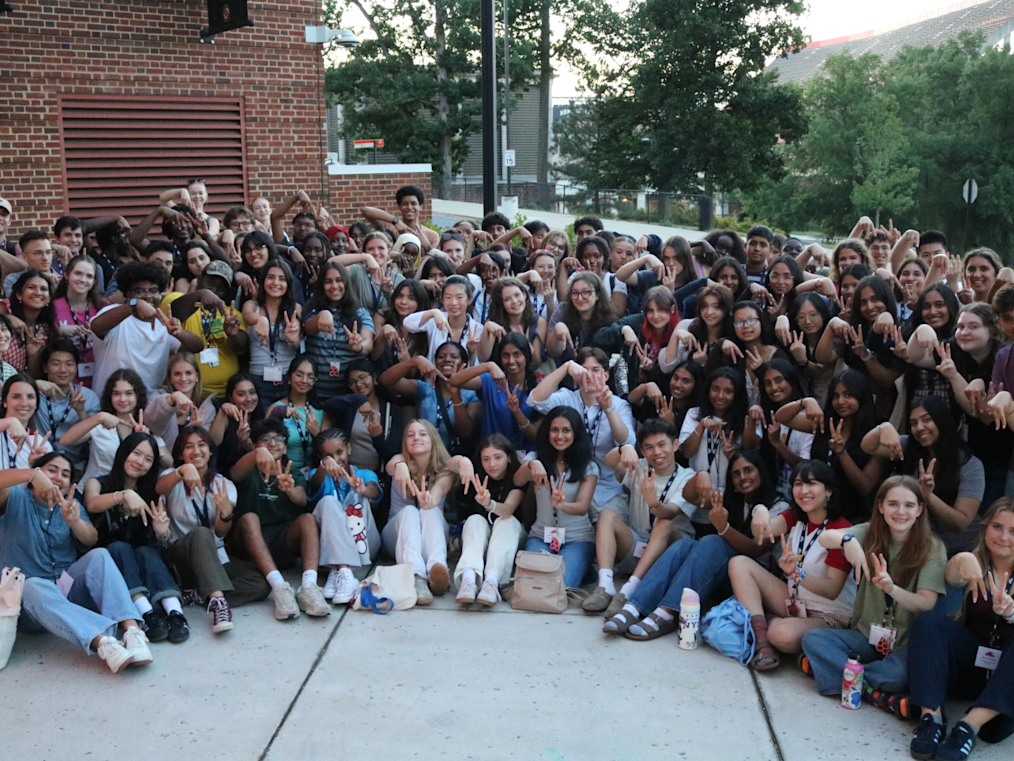
New Voters relies on a peer-to-peer grassroots model, originally developed by Rao and her classmates, to empower students to organize within their own communities.
“If you want to create a more perfect union and to enable participatory and responsive democracy, high school is the last universal touch point for Americans,” Rao emphasized. “You don't have to do anything else, but you have to go to high school.”
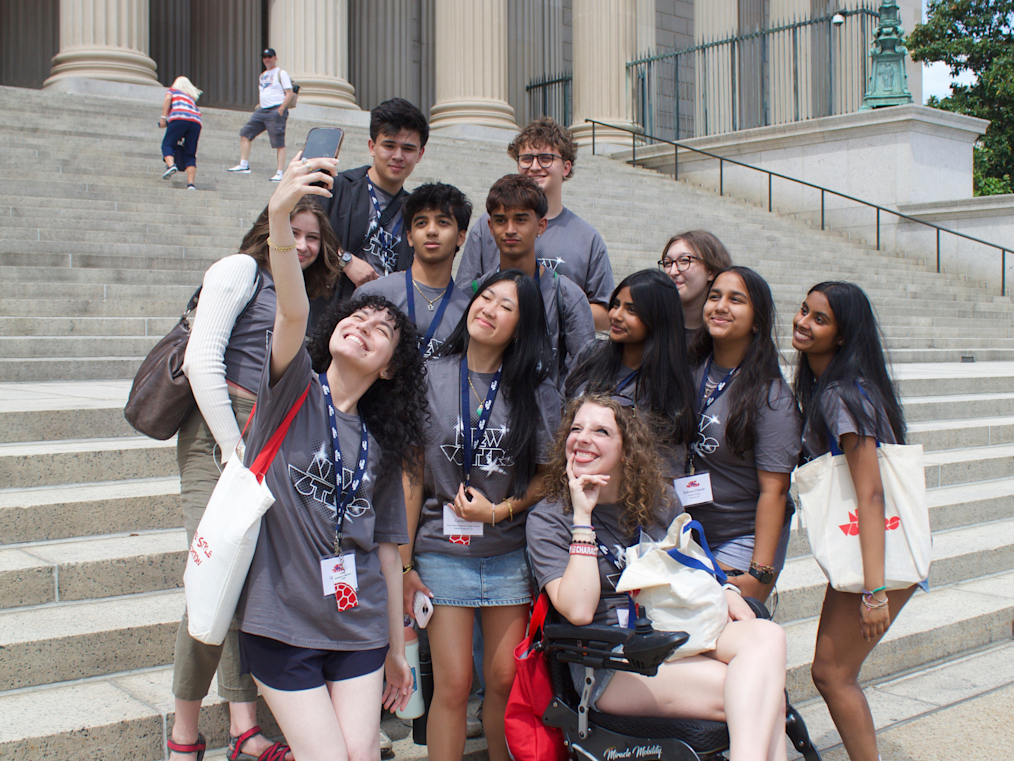
The program is run by high school and college students, centering young people as key to the organization’s ability to reach teens where they are. For example, explains Rao, A few years ago, a teen in Pittsburgh made a list of all the most common cliques in his school and then recruited someone from each of those groups to register their friends to vote. Rao made that a part of the curriculum for the organization.
Mentorship is another core component of New Voters. Each registration drive leader is paired with a paid, college-aged mentor who meets with them at least once a week throughout the campaign. These mentors help students tailor their drives to their school's unique needs—guiding them through everything from securing staff support to identifying the most effective times and locations for registering voters.
When asking high schoolers to participate in the civic process, Rao says it’s important to meet them where they are, and show them that there are leaders in power who want to be responsive to concerns and take action.
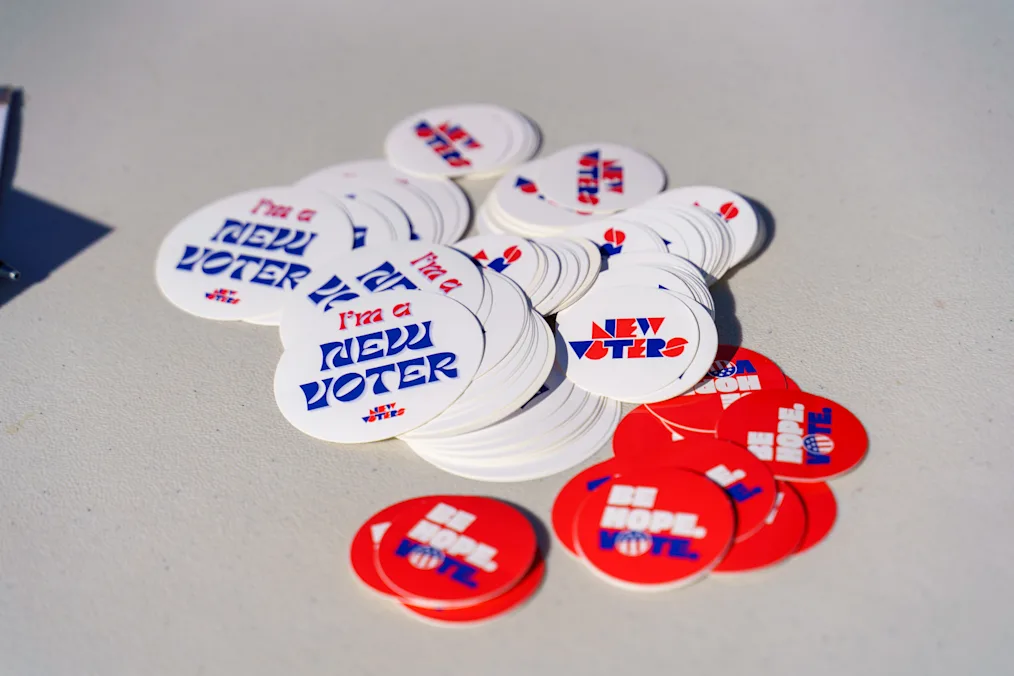
“Too often, the default response a young person hears is, ‘Oh, we can't do anything about that,’ or ‘That’s too complicated.’ What they really need to hear is, ‘That's a great idea—let's figure out how we can make it happen together.’”
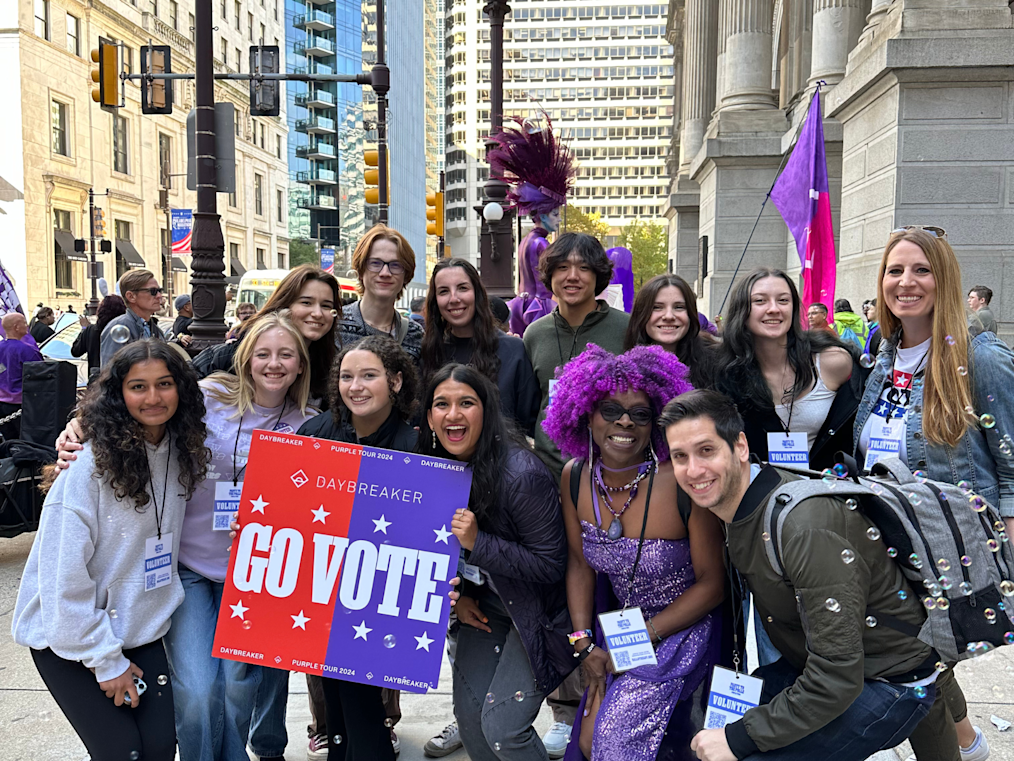
Today, New Voters includes over 1000 high schools across more than 42 states who run two registration drives, and a community organizing project through the school year. For Rao, New Voters became an unexpected passion that changed the trajectory of her life.
“I wanted to be a musician. That was my plan my whole life. I was recording my conservatory tapes and then suddenly I was like, ‘No, I refuse to keep feeling helpless. My friends and I deserve better than what we have and we're going to do something about it,’” said Rao.
Now 26, Rao remains optimistic about the future of American democracy. The Harvard graduate was recently selected for the Obama Foundation Leaders 2026–2027 cohort, where she is eager to collaborate with peers, share insights from building New Voters, and learn how to scale the organization sustainably.

Having drawn inspiration from President Obama early on—once even skipping school to hear him speak in Philadelphia—she continues to focus on empowering high schoolers to realize their civic potential.
“When you're standing in line to vote and commentators start forecasting who's winning your district, it doesn't feel particularly empowering,” Rao noted. “But then you contextualize it as ‘You voting is one thing, your whole school voting is another thing.’”